
How Pole Barn Insulation Protects Your Ohio Building Through Every Season
A pole barn in Ohio faces a climate that tests every material. Winter brings freezing temperatures and heavy snow loads. Spring delivers rain and rapid temperature swings. Summer brings intense heat and humidity. Fall cools quickly, creating condensation risks. Without proper insulation, your building absorbs all of that stress, and the contents inside suffer along with it.
Many property owners assume insulation is only about comfort. In reality, it is about protection. The right insulation system regulates temperature, controls moisture, and extends the life of everything stored inside. Understanding how insulation works in a post-frame structure helps you make a smarter investment.
Why Insulation Matters More in Post-Frame Buildings
Post-frame construction uses large posts and wide spacing, which creates open wall cavities and high ceilings. That design is efficient and strong, but it also means there is more interior air volume to manage. Without insulation, that air moves freely, carrying heat out in winter and pulling it in during summer.
The result is a building that feels like an oven in July and a freezer in January. Equipment, vehicles, and stored materials all experience those extremes, which accelerates wear and creates conditions for rust, mold, and damage.
The Four Season Challenge in Ohio
Ohio’s climate is not extreme in any single direction, but it is relentless in its variety. That variety is exactly what makes insulation so important.
Winter Cold and Snow Loads
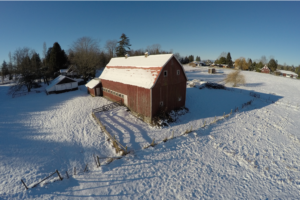
When temperatures drop below freezing for extended periods, uninsulated metal roofs and walls become cold surfaces. Warm, moist air inside the building hits those cold surfaces and condenses. Over time, that moisture drips onto equipment, feeds rust, and damages stored goods. Insulation creates a thermal barrier that keeps interior surfaces closer to the air temperature, reducing condensation risk.
Spring Moisture and Temperature Swings
Spring in Ohio is unpredictable. A warm day followed by a cold night creates rapid expansion and contraction in metal panels. Insulation helps stabilize the interior environment, reducing the stress on the building materials and the items inside.
Summer Heat and Humidity
An uninsulated pole barn in July can reach temperatures well above the outdoor air. That heat damages tires, degrades fluids, and makes the space unusable for work or storage. Insulation slows heat transfer, making the building more functional and protecting everything inside.
Fall Condensation Risks
As temperatures drop in fall, the risk of condensation returns. Insulation combined with proper ventilation creates a balanced environment that prevents moisture buildup before winter arrives.
Types of Insulation for Pole Barns
Not all insulation performs the same way in a post-frame structure. The best choice depends on how you use the building and what you store inside.
Fiberglass Batt Insulation
Fiberglass batts are a common and cost-effective option. They fit between posts and provide reliable thermal resistance. When installed with a proper vapor barrier, they work well for agricultural and storage buildings.
Spray Foam Insulation
Spray foam creates an airtight seal and offers the highest thermal performance per inch. It is especially valuable for buildings that need precise temperature control, such as workshops, equine facilities, or buildings that store temperature-sensitive materials.
Reflective Insulation
Reflective barriers work by blocking radiant heat rather than absorbing it. They are often used in combination with other insulation types to improve performance in buildings with metal roofs.
Moisture Control Is Just as Important
Insulation without moisture management is incomplete. A vapor barrier prevents warm, moist air from reaching cold surfaces where it can condense. Ventilation allows any moisture that does form to escape rather than accumulate.
Together, insulation, vapor barriers, and ventilation create a system that protects the building and its contents through every season. This is why professional pole barn accessories and insulation services treat these elements as a coordinated design rather than separate add-ons.
The Long-Term Value of Doing It Right
Insulation is not an upgrade. It is a foundational decision that affects everything else. A well-insulated pole barn costs less to maintain, protects valuable equipment, and remains usable year-round. It also extends the life of the structure itself by reducing the thermal stress and moisture damage that slowly degrade unprotected buildings.
If you are planning a new pole barn or considering improvements to an existing one, explore the full range of pole barn building services in Ohio and learn how proper insulation fits into a complete, durable design.